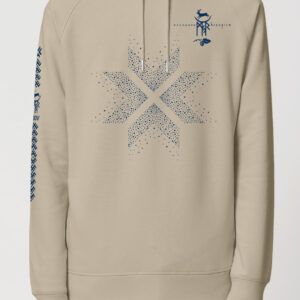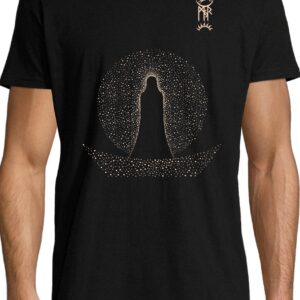
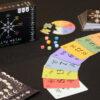
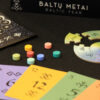
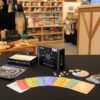
Description
The Balts
"The Balts" is the name given to the ancient Indo-European tribes that have lived in the northeastern regions near the Baltic Sea since the early Iron Age. The Baltic tribes—Lithuanians, Prussians, Samogitians, Yotvingians, Curonians, Semigallians, Latgallians, and Selonians—created a rich cultural heritage, parts of which survive to this day.
Their way of life was distinguished by unique innate traditions, a distinct mythology, and a close bond with nature. This worldview is reflected in the vivid customs of annual festivals, which embody the meaning of communal interaction and happiness. The Baltic lands were the last in Europe to accept the Christian religion; the old faith was officially replaced in Lithuania only in 1387, and in Samogitia (Žemaitija) in 1413. Consequently, archaic images of gods, concepts, rituals, and incantations remained vibrant here for a long time.
Baltic Holidays and Signs
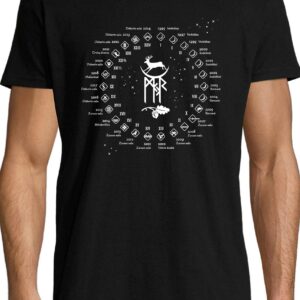
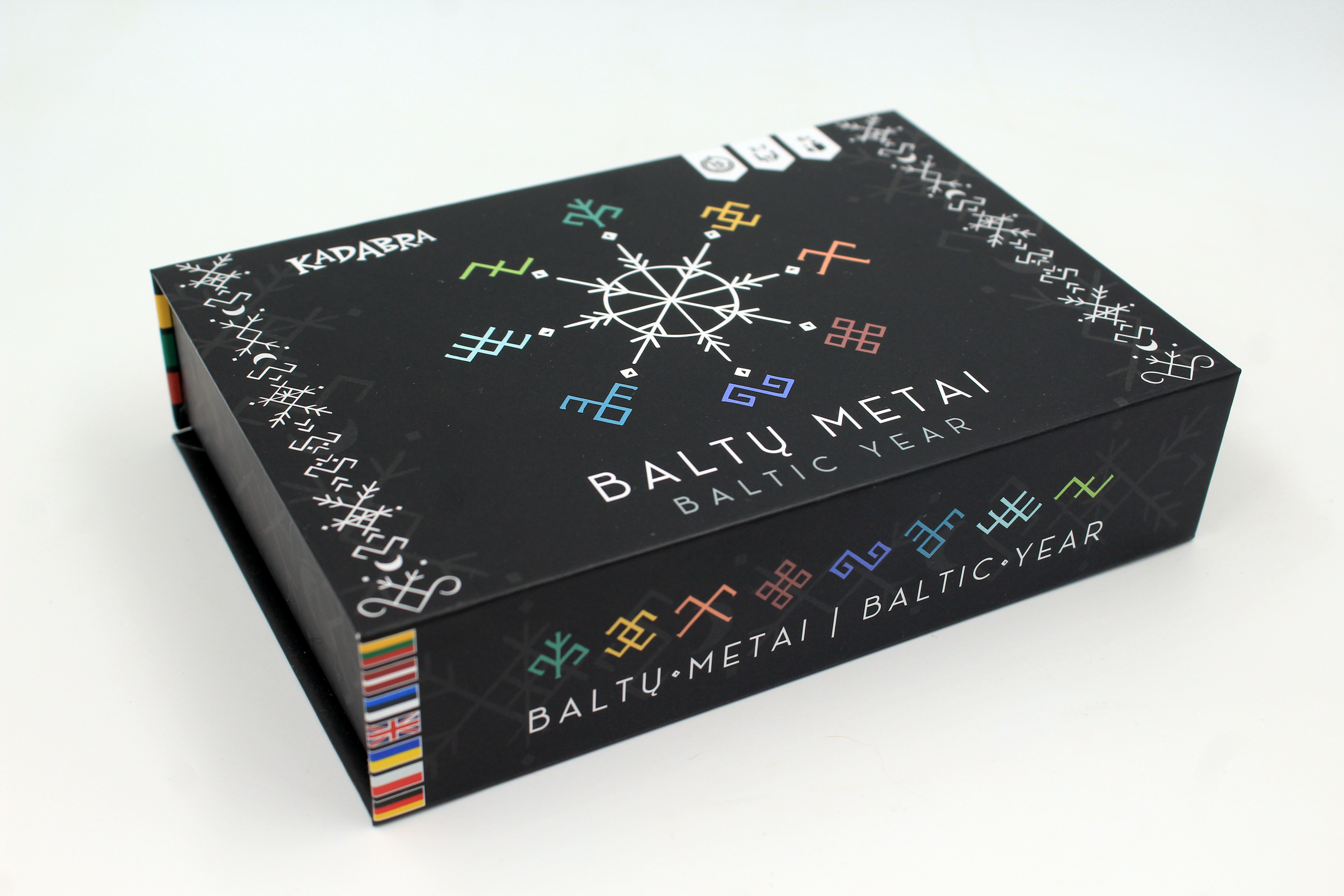
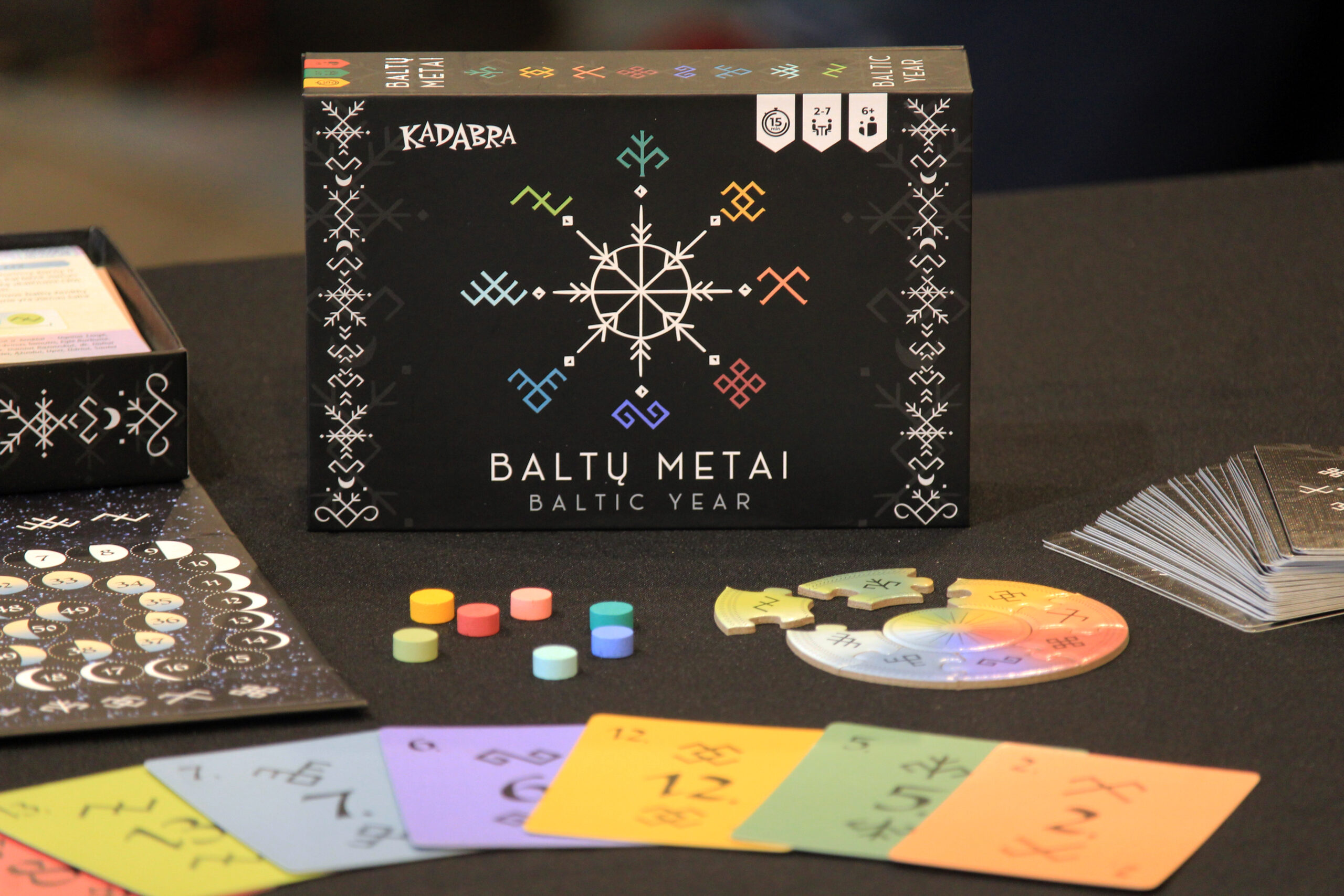
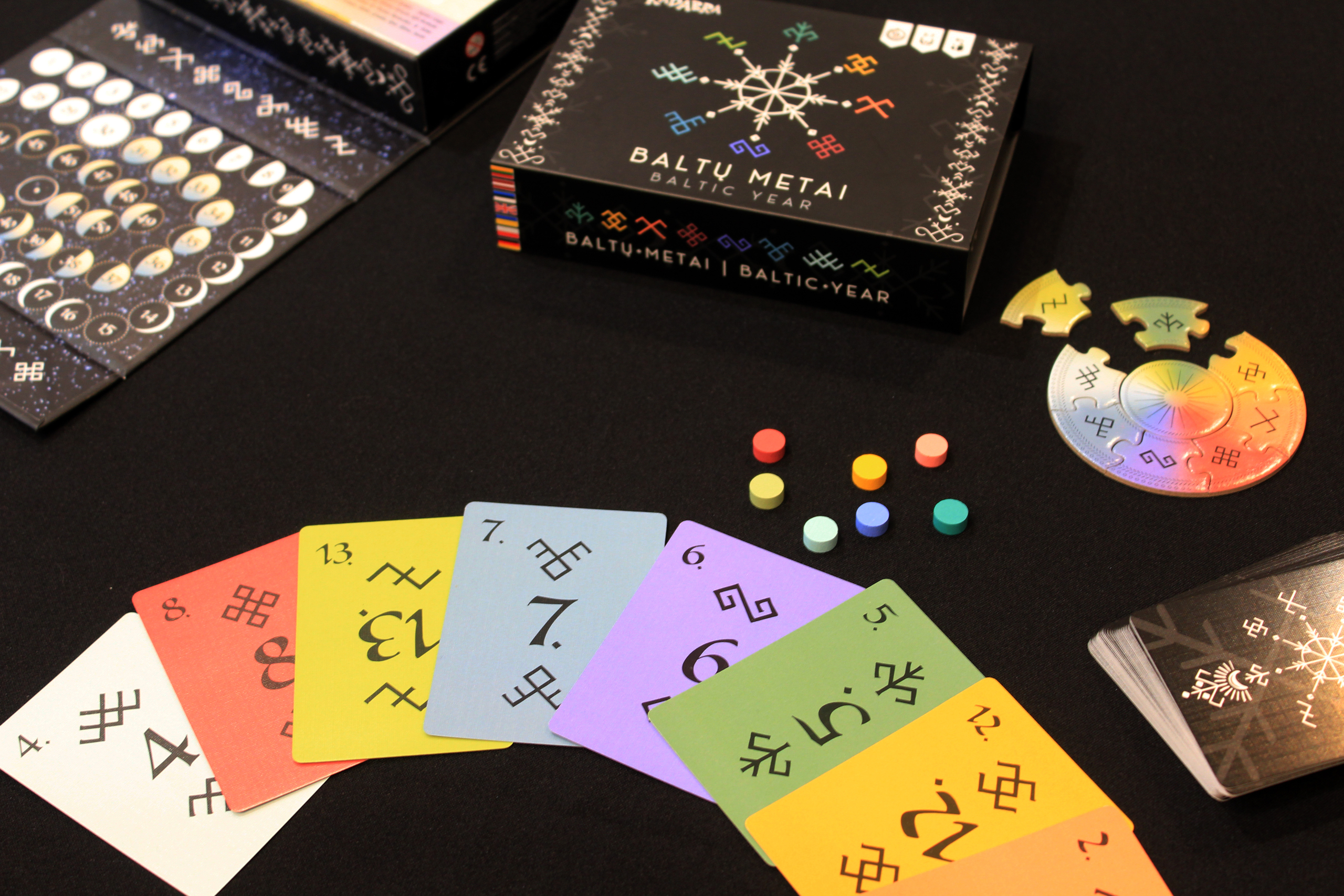
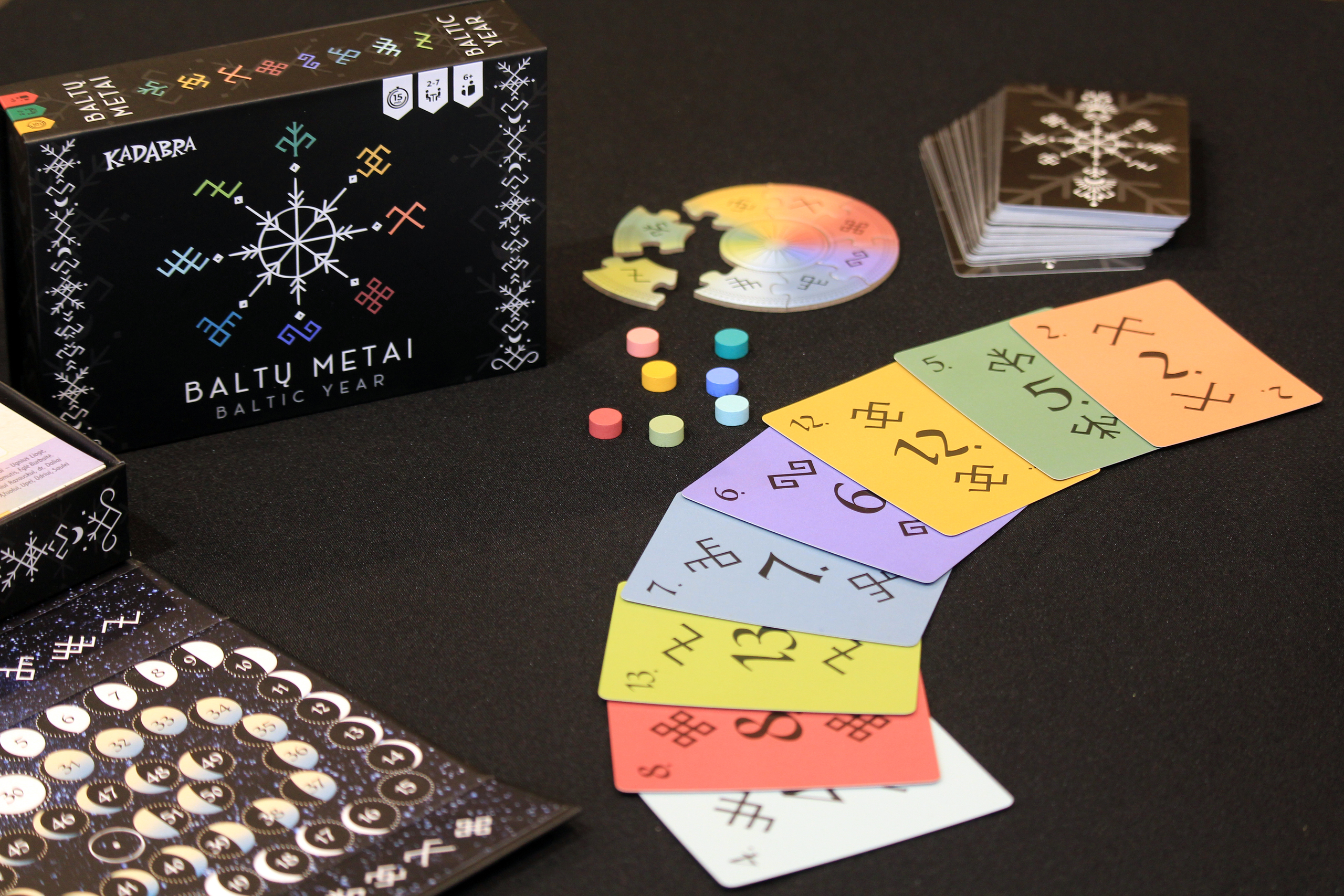
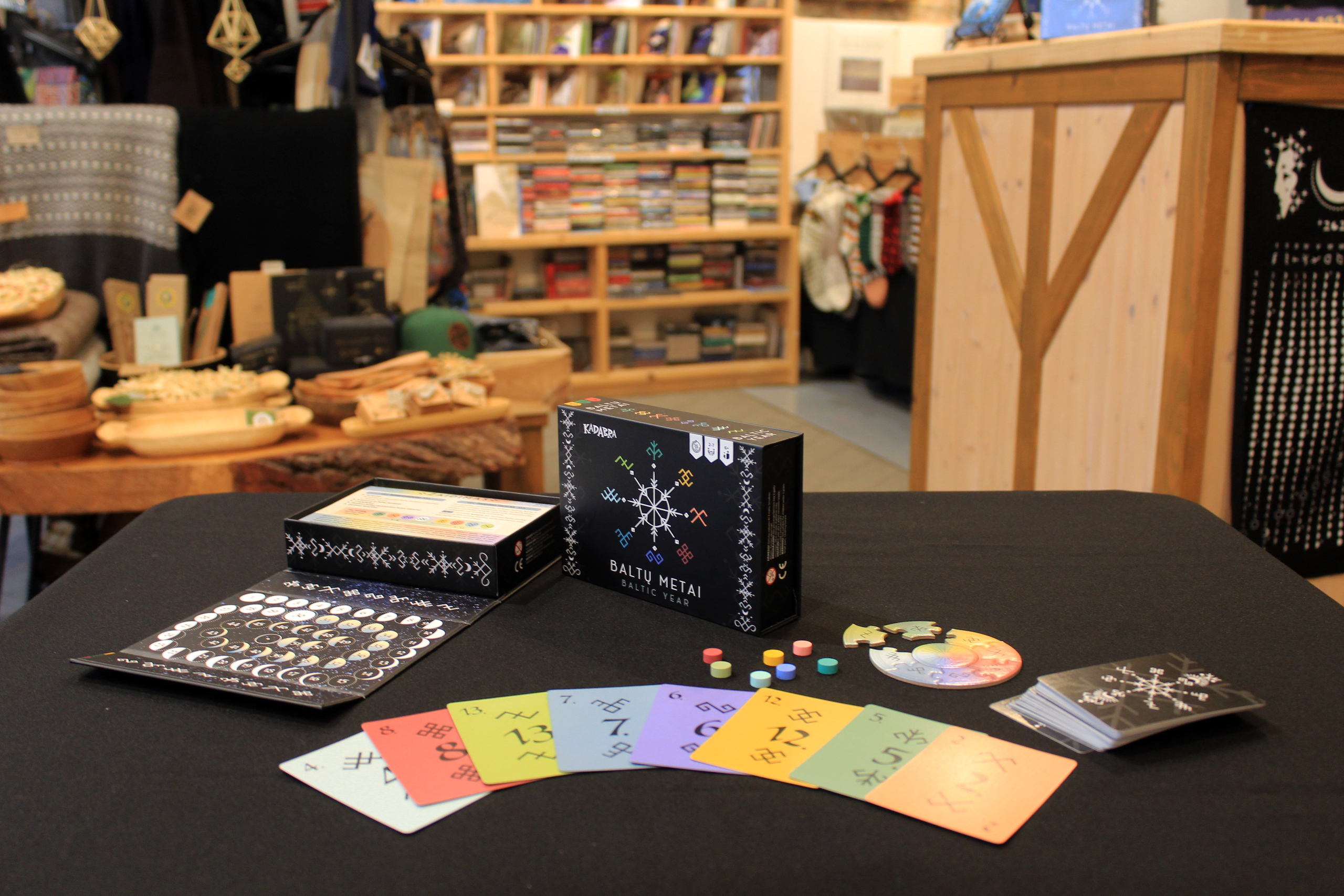
The Baltic Wheel of the Year, inherited from ancient ancestors, is divided into eight main festivals marked by traditional signs. It intertwines astronomical Solar and Lunar calendars, the changing phenomena of nature, old native beliefs, human labor, and customs of bonding with family and ancestors.
The division of the year into warm and cold periods reflects an archetypal worldview characterized by perceiving most phenomena through dualistic oppositions. Almost all Baltic festivals emphasize fire, water, celestial bodies, vegetation, feasting, the commemoration of the dead, and honoring the creative powers of the divine. This is marked by various symbols that reach us through archaeology, textile patterns, and ethnography. These signs are often employed for magical purposes—divination, protection, health, well-being, luck, or creation.
The cycle of annual festivals expresses the harmony between humans and the cosmos—the eternal wisdom of life passed down from generation to generation.
The Seasonal Cycle
-
Užgavėnės / Shrovetide (Mid-February – Early March) The send-off of winter and the first celebration of the coming spring. It is a cheerful, noisy carnival involving encounters with deities and spirits, as well as a time for games, divination, and matchmaking.
-
Spring Equinox (March 20–21) The beginning of a new life cycle, when day equals night and the world enters the light half of the year. The festival symbolizes rebirth and a new beginning; in the old calendar, the New Year began at this time.
-
Jorė (End of April) A spring festival when Perkūnas (The Thunder God) unlocks the earth—marking the beginning of the first greenery, grazing, and field work. It is a time of the eruption of vital power and growth, associated with the widely known holiday of Easter.
-
Rasa (June 19–24) The Summer Solstice, featuring the longest days and shortest nights. It is a celebration of nature's flourishing, lush vegetation, and the Sun at its highest point, abundant in rituals, songs, dances, and love magic.
-
Žolinė (Mid-August) The juncture of summer and autumn, the celebration of the first mature harvest and the earth goddess Žemyna (Latvian: Māra), during which the fruits of the earth are blessed and people gather to feast upon them.
-
Autumn Equinox (September 22–23) Day once again equals night, and the dark time of the year begins. A festival rich in harvest, thanksgiving to the gods, and sacrificial rituals. In Lithuania, it coincides with Dagotuvės, and in Latvia, it is called Rudenāji.
-
Vėlinės / All Souls' Day (End of October – Early November) A time for honoring ancestors, when the boundary between the worlds of the living and the dead vanishes. The spirits of the dead return to meet with the living, and fires are lit in cemeteries to remember the departed.
-
Kūčios & Kalėdos / Christmas (December 23–25) The Winter Solstice, the main festival of the dark time of the year. On Christmas Eve (Kūčios), a special supper is prepared where the whole family must gather together with the ancestors. It is a time of miracles when the World is created anew. On Christmas morning, the birth of the new Sun is celebrated.
The interpretations and symbols of the Wheel of the Year were compiled by Mėnuo Juodaragis.
We thank the following for their advice and remarks: Dr. Vytautas Tumėnas, Prof. Libertas Klimka, Aida Rancane, Dr. Dainius Razauskas, Dr. Dalia Urbanavičienė, and Gražina Kadžytė.