
Description
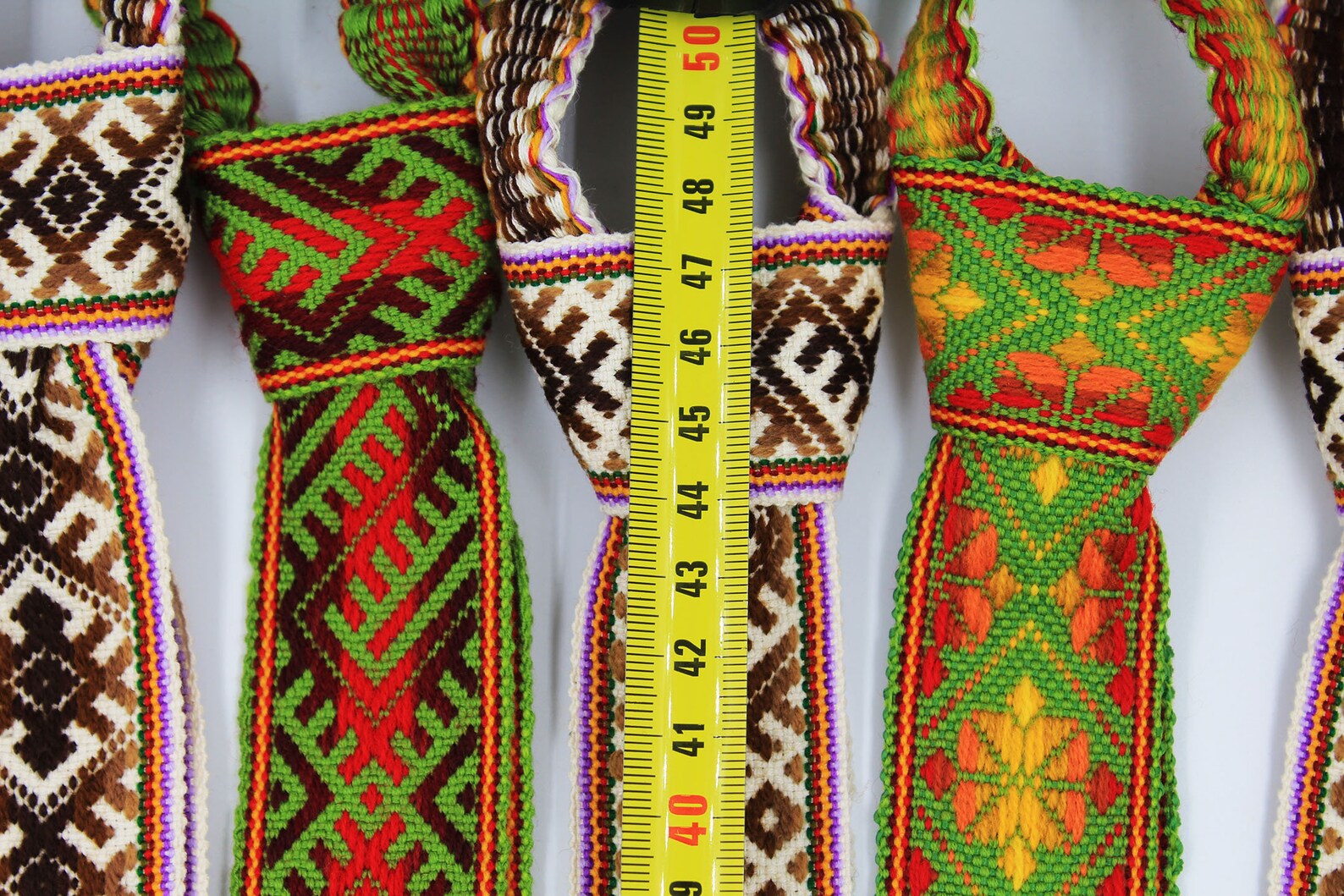
Length: approx. 45–50 cm
Width: approx. 3.5 cm
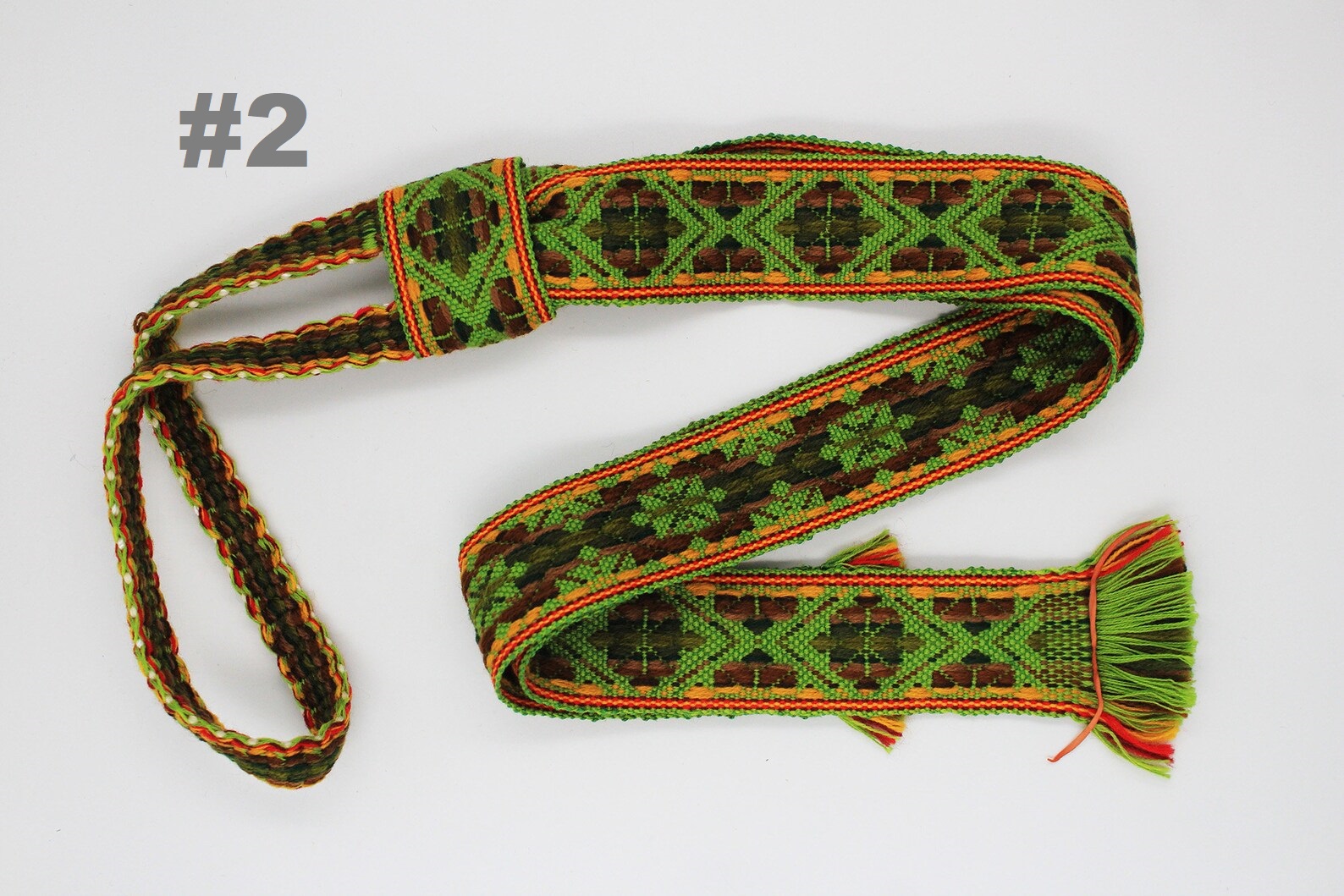
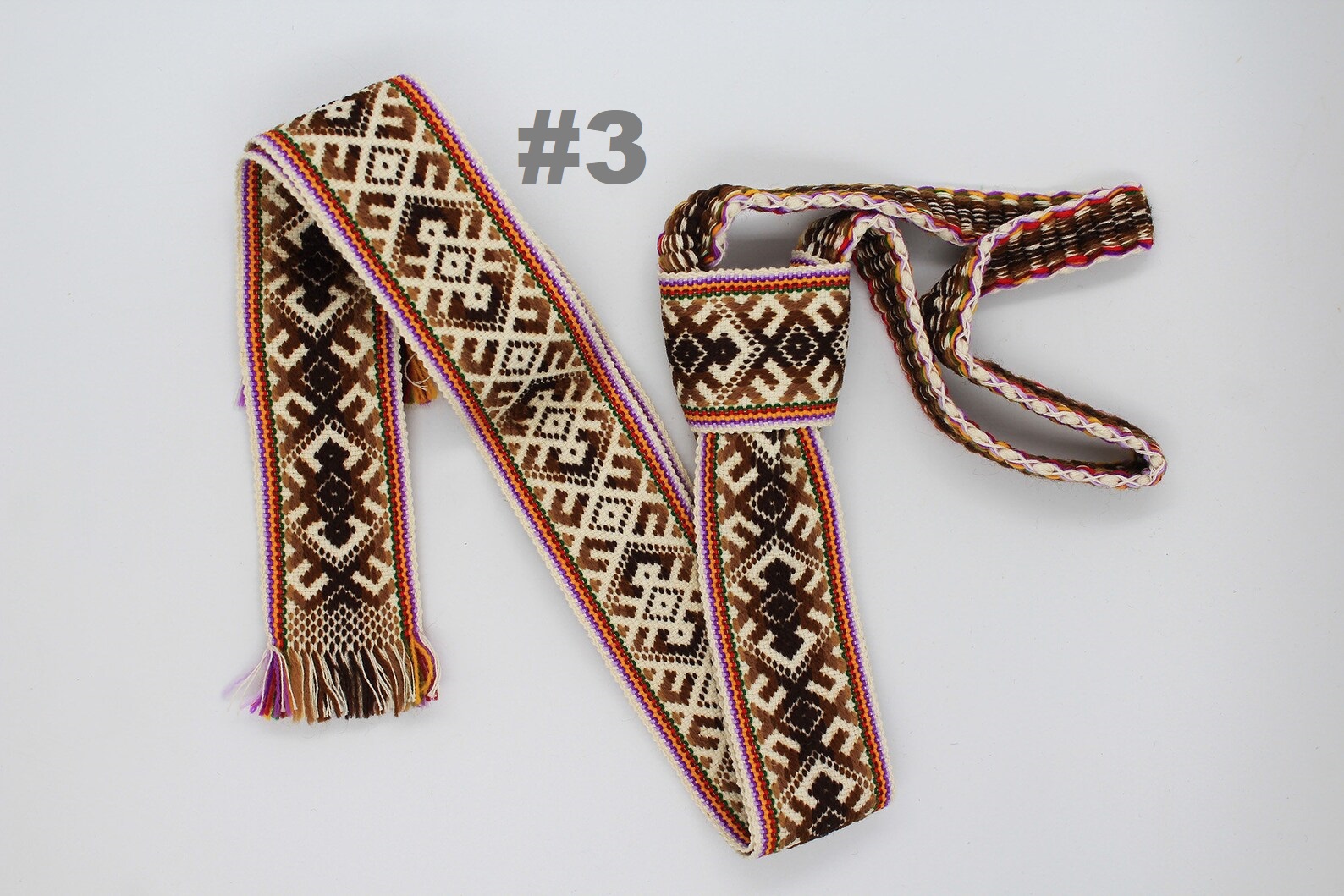

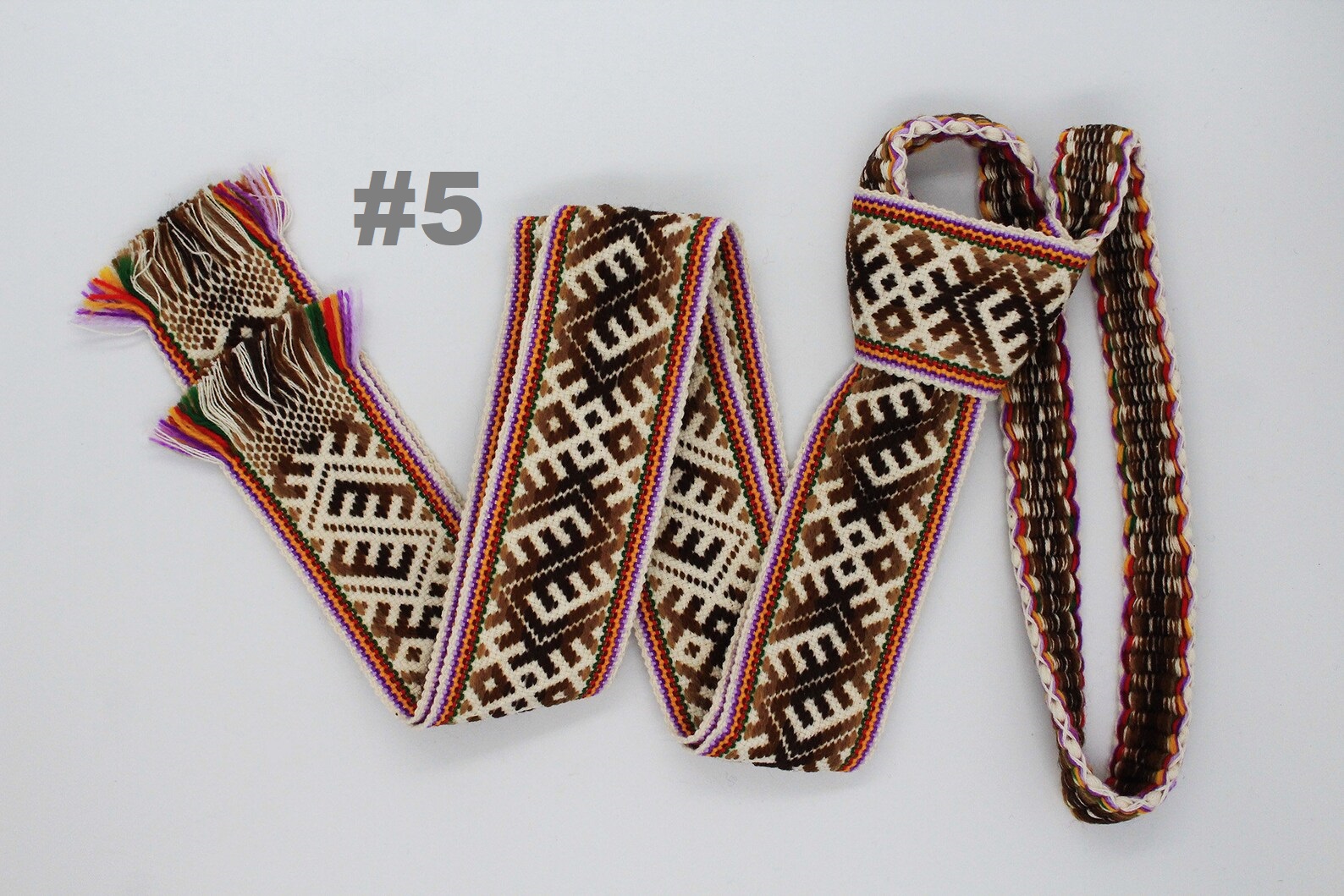
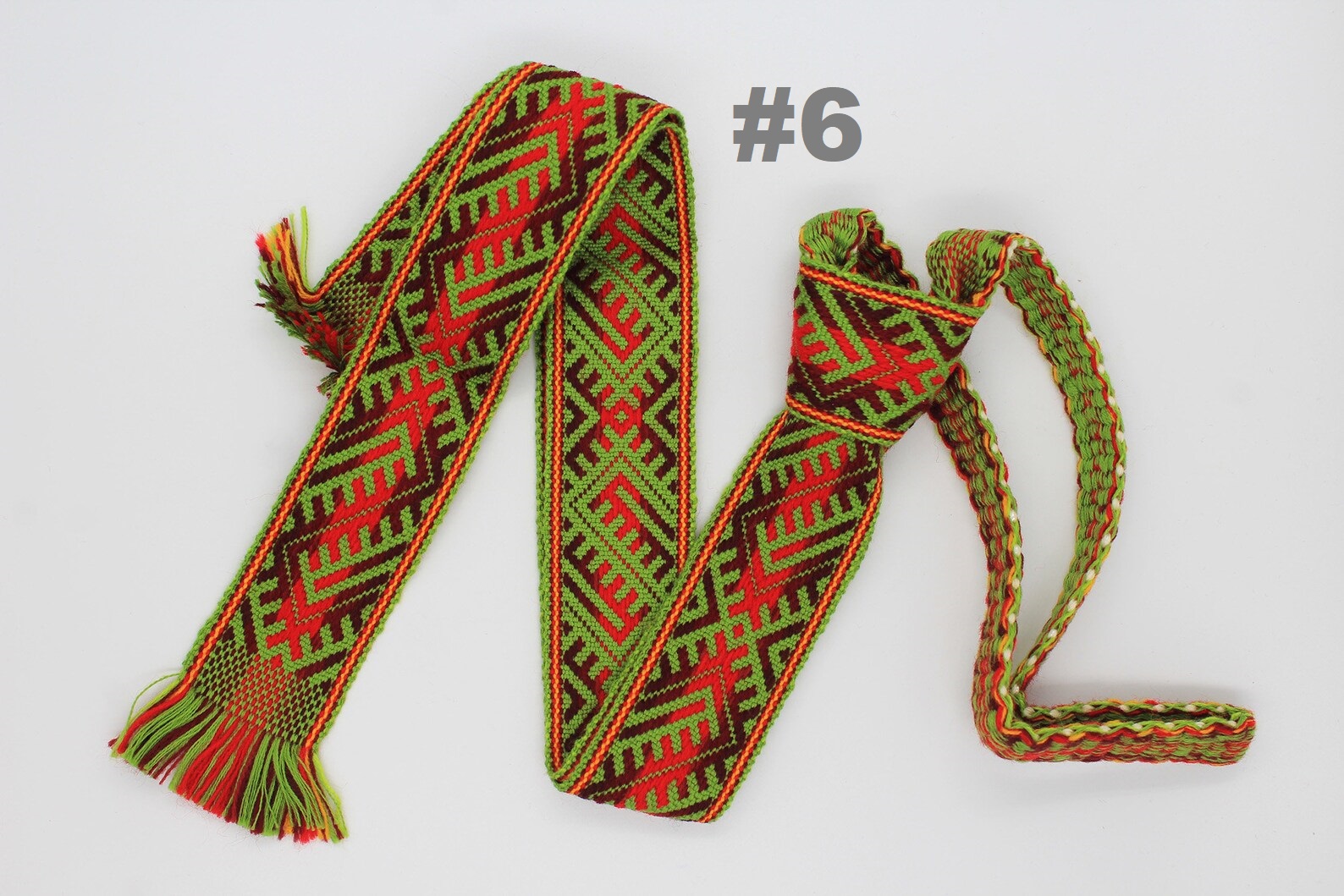
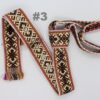
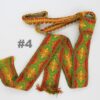
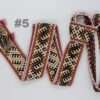
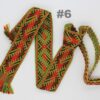
24.00 €
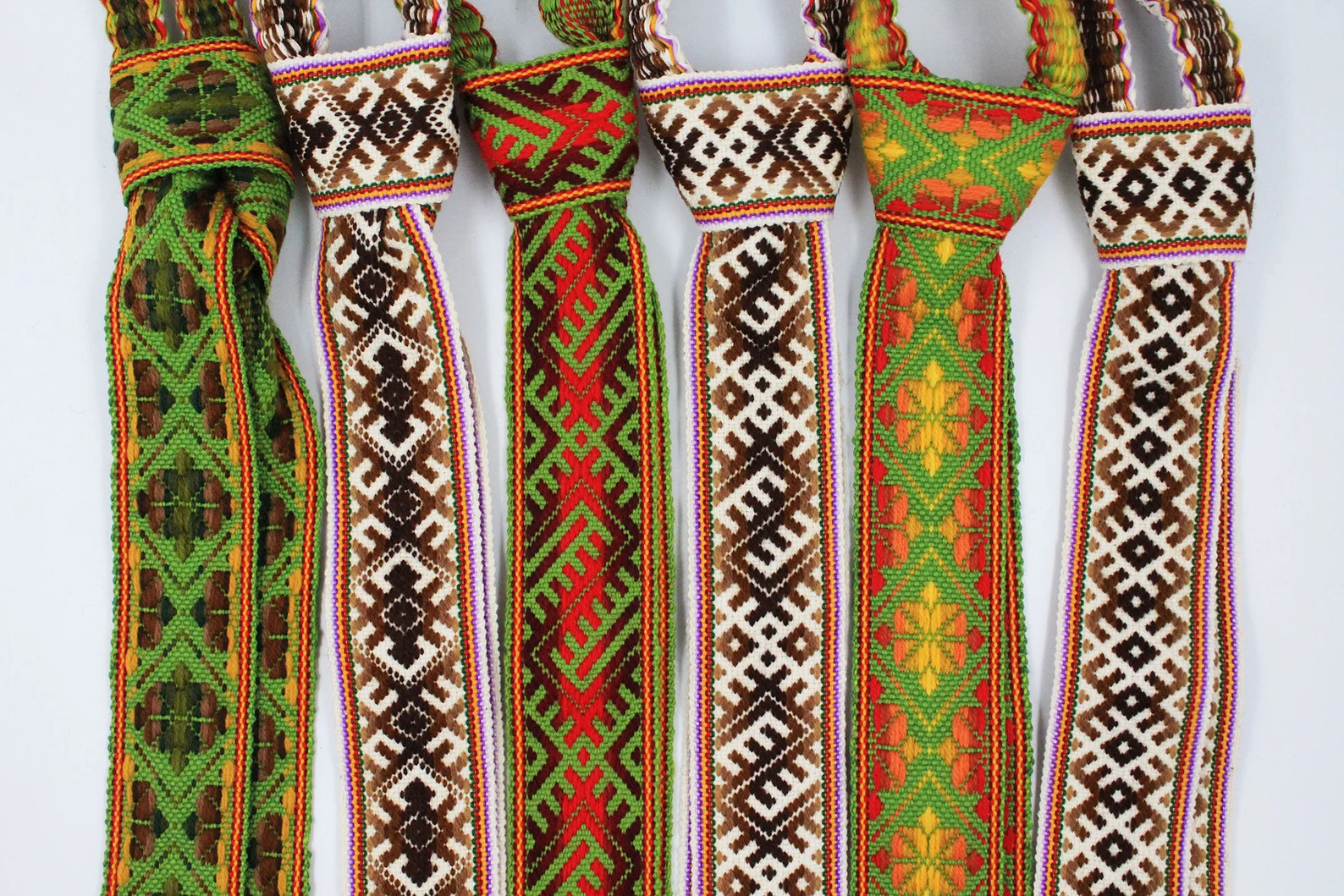
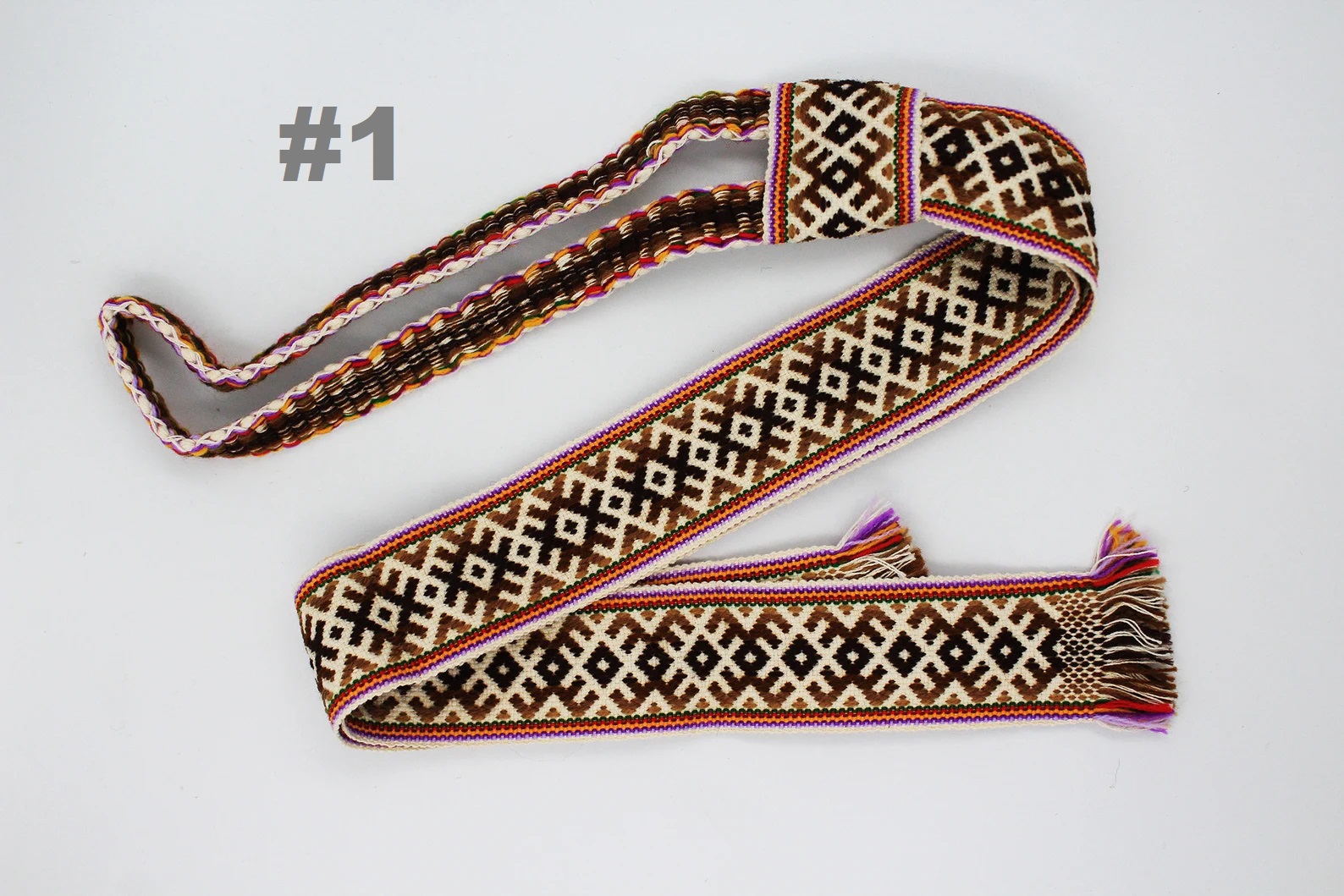
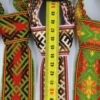
Folk sashes and neckties are charming traditional accessories, typically worn for special occasions and festivals.
Each necktie is characterized by a comforting palette of wool, cotton, or linen yarn, and a variety of ornaments. Every motif imparts not only a decorative quality but also a profound symbolic meaning. Images from the animal and plant worlds are used, with the most popular symbols including rhombuses (lozenges), the cross, the snake, the fir tree, and flowers. These were traditionally believed to symbolize happiness, good fortune, protection from evil, patronage, and good wishes.
The weaving of these sashes is a ritualistic expression of prayer and offering (sacrifice), a mythical projection of hopes and dreams. Through archetypal patterns, the weaver marks wishes concerning fate, happiness, health, and especially fertility and spiritual protection. It is no coincidence that the Lithuanian words raštas (meaning ‘ornament’ or ‘pattern’) and rašyti (meaning ‘to write’) share the same linguistic root. This practice is, in the best sense, a powerful form of enchantment.
Technique and Creator
These Baltic folk necketies/sashes were handcrafted (woven on a Jacquard loom) by the famous folk artist Violeta Valentonytė.
The patterns on the Jacquard loom are created by weaving the warp and weft threads in a predetermined sequence, which is stored in the loom’s memory. Jacquard looms differ from conventional looms in their ability to control each individual thread. This invention is widely considered to be the genesis of programming.
Length: approx. 45–50 cm
Width: approx. 3.5 cm
Length: approx. 45–50 cm
Width: approx. 3.5 cm
| Country | Lithuania |
|---|---|
| Options | #1, #2, #3, #4, #5, #6 |